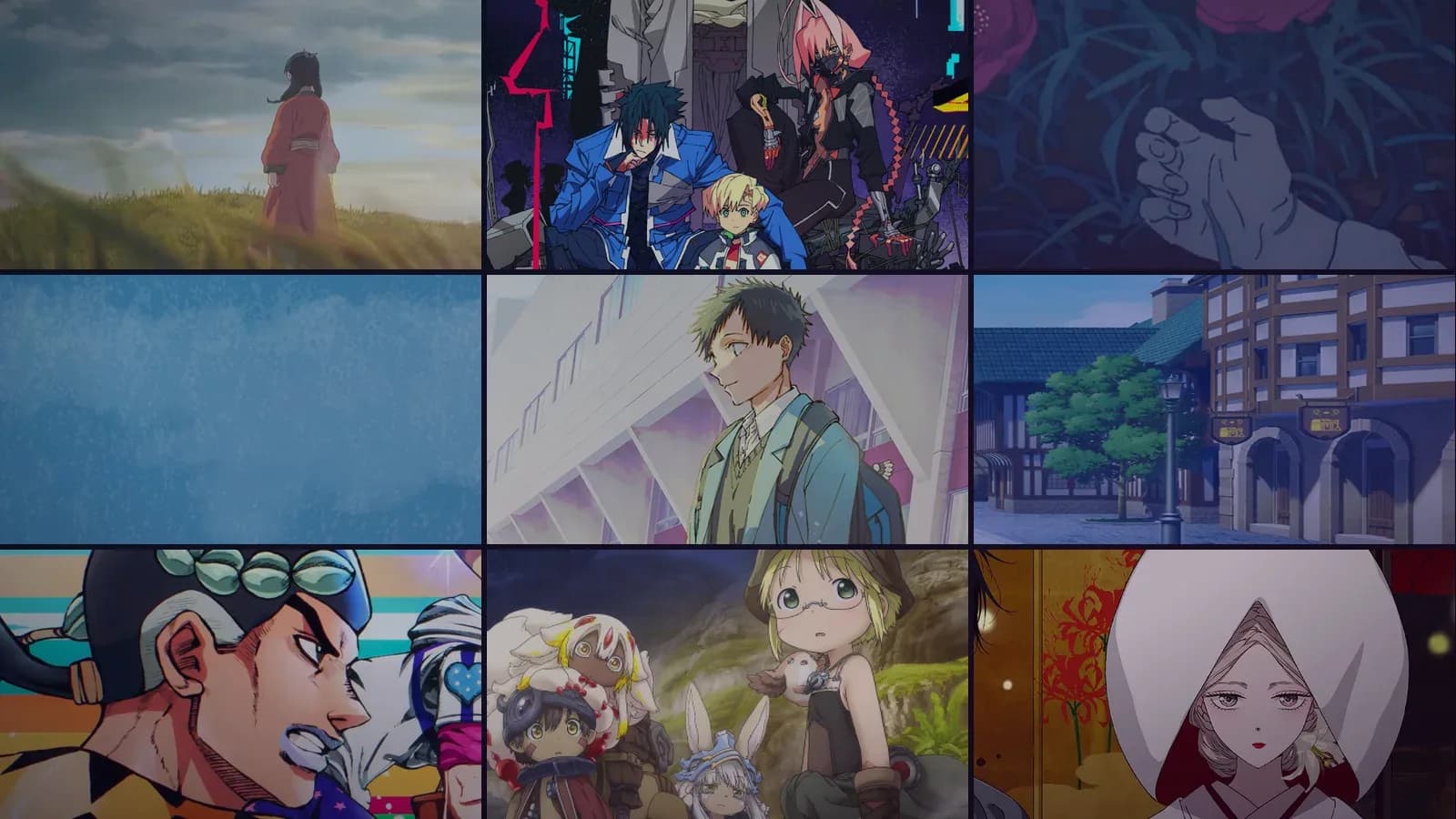
The choice between manga and anime depends on what you value most in a story. If you want the complete, unfiltered narrative exactly as the creator intended, you should read the manga. If you prefer to see that story brought to life with animation, voice acting, and a musical score, you should watch the anime. Each format offers a distinct experience, and neither is universally better than the other.
Manga is the source material—the original Japanese comic. It is the canonical foundation of the story. An anime is an adaptation, a translation of the manga’s static panels into a moving, audible medium. While an anime can elevate a story with stunning visuals and emotional performances, it is also subject to changes, cuts, and additions that differ from the source.
Deciding whether to read the manga or watch the anime first depends on your personal preferences for pacing, storytelling, and artistic medium. This guide breaks down the key differences to help you choose the right starting point for your next favorite series.
Key takeaways
- Manga is the original source material and almost always contains the complete, canonical story.
- Anime adapts the manga, adding animation, color, voice acting, and music, but may cut content or have filler.
- Read the manga first for the author's unfiltered vision; watch the anime first for dynamic action and a lower entry barrier.
- Anime may change the manga due to episode limits, broadcast standards, or to avoid catching up to an ongoing series.
- Some anime are original stories not based on any manga.
What Are the Main Differences Between Manga and Anime?
The fundamental difference is the medium. Manga are Japanese comics, typically presented in black-and-white panels on a printed page. They are the original work, crafted by a single creator (mangaka) or a small team. As the source, the manga almost always represents the full, canonical story, containing every plot point, character arc, and piece of dialogue as intended.
Anime is animation. It takes the manga’s story and reinterprets it for the screen, adding several new layers: color, motion, sound effects, a full musical score, and voice acting. These elements can create a more immersive and emotionally resonant experience, bringing characters and worlds to life in a way static images cannot. This adaptation process is handled by a large studio team, including a director, screenwriters, and animators, whose creative vision may differ from the original mangaka's.
This also leads to a difference in artistic focus. A mangaka uses panel layout, detailed linework, and screentones to control the flow of reading and emphasize emotional beats. An anime director translates these techniques into cinematography. They use camera angles, lighting, color palettes, and character acting to create a similar, or sometimes entirely new, emotional impact for a viewing audience.
Pacing is another key difference. When you read manga, you are in complete control. You can spend minutes admiring a single detailed panel or breeze through several chapters in one sitting. An anime has a fixed runtime, typically around 20-24 minutes per episode. The director and editor determine the pacing, deciding which moments to linger on and which to speed through, which can lead to manga chapters being stretched or condensed to fit the episode format.
Should You Read the Manga or Watch the Anime First?
Reading the manga first is the best choice if your priority is experiencing the full, authentic story. You get the author’s original artwork and paneling, control the pacing yourself, and avoid issues like filler episodes or altered plotlines. For series with complex narratives or subtle details, the manga often provides a richer, more complete version of the tale without the long wait between anime seasons.
Watching the anime first can be a lower-commitment introduction to a series’ characters and world. If a show is known for its spectacular action, seeing those fight scenes animated can be a far more dynamic experience than reading them. The combination of visuals, voice performances, and music can also make a story more immediately engaging and help you decide if you want to invest more time in the franchise.
A popular strategy for fans is the hybrid approach: watch the currently available seasons of the anime, and if you are hooked and cannot wait for the next installment, pick up the manga where the show left off. This gives you the best of both worlds. However, if an anime has a reputation for excessive filler or a controversial anime-original ending, the community will almost always recommend starting with the manga for a more satisfying experience.
| Choose the Manga if You Want... | Choose the Anime if You Want... |
|---|---|
| The complete, canonical story | A dynamic, multi-sensory experience |
| The author's original art and vision | To see action scenes brought to life |
| Full control over pacing | A lower-commitment entry point |
| To avoid filler and anime-original endings | To hear characters' voices and a musical score |
| To get ahead of the story and avoid spoilers | A more passive, cinematic viewing |
Why Do Anime Adaptations Change the Manga?
Changes in an anime adaptation stem from practical constraints and creative decisions. One of the biggest factors is scheduling and episode count. An anime season is usually commissioned for a set number of episodes, such as a 12-episode cour. A director and screenwriter must then figure out how to condense dozens of manga chapters into that fixed runtime, which inevitably leads to cutting subplots, minor characters, or internal monologues.
The manga's publication status is another crucial factor. If a manga is still being published when the anime is produced, the animation can catch up to the latest chapter. To avoid overtaking the source, the studio might create filler arcs or, in more extreme cases, write a completely original ending to provide a conclusion the manga has not yet reached. This allows the TV show to finish its run without having to wait for the mangaka.
Broadcast standards also play a role. A manga may contain graphic violence, nudity, or other mature themes that are not suitable for the television time slot the anime will air in. To comply with regulations, studios often have to tone down or remove this content, leading to a censored version of the original story.
Finally, adaptation is an interpretive art. A director might choose to expand on a brief moment from the manga that they feel has dramatic potential, or rearrange events to create a more compelling narrative flow for television. For instance, a scene might be moved to serve as an episode-ending cliffhanger, or new foreshadowing might be added to create a more cohesive viewing experience. These creative choices can sometimes improve upon the source, but they also contribute to the differences between the two formats.
What Does "Filler" Mean in Anime?
In anime, 'filler' refers to any episode, arc, or scene that was not part of the original manga. It is content created exclusively for the animated series. Filler can range from single comedic episodes and recap segments to entire multi-part arcs focusing on side characters, but its defining feature is its absence from the canonical source material.
The primary purpose of filler is logistical: it creates a buffer between the anime and an ongoing manga. When an anime adaptation is popular and airs weekly, it can burn through source material much faster than the mangaka can create it. Filler arcs are introduced to slow the anime's progress, giving the manga author time to get further ahead in the story. This prevents the anime from having to take a long break or end prematurely.
Fan reception to filler is often negative. Because it is non-canonical, it cannot have any lasting impact on the main plot or character development. As a result, it is often criticized for disrupting the story's pacing, feeling out of place, and featuring a noticeable dip in writing and animation quality. While some filler can provide fun character interactions or lighthearted moments, it is mostly seen as an obstacle to the main narrative.
When Is an Anime Better Than Its Manga?
While many fans prefer the source material, some anime adaptations surpass the original manga. This often happens when a studio with exceptional talent and a generous budget pours its resources into the project. Breathtaking animation, fluid choreography, and stunning art direction can elevate a manga's visuals to a new level, turning static panels into mesmerizing sequences.
A phenomenal soundtrack and perfect voice casting are also key ingredients. A powerful musical score can amplify the emotion of a scene, making triumphant moments more thrilling and tragic scenes more heart-wrenching. Likewise, a skilled voice actor can add layers of depth and personality to a character that might not have been as apparent on the page, defining them for an entire generation of fans.
Series with a heavy focus on action frequently benefit the most from animation. Complex fight scenes or large-scale battles can sometimes be difficult to follow in manga panels, but a well-directed anime can make the choreography clear, dynamic, and exhilarating. In some cases, an anime can even fix issues present in the source material, such as by tightening the pacing of a slow arc or adding small, meaningful scenes that flesh out the world and characters, resulting in a more polished and compelling narrative overall.
What About Anime-Original Series?
Not all anime are based on manga. Many acclaimed series are 'anime-original,' meaning the story was written specifically for animation from the ground up. In these cases, there is no source material to compare the show to, so the manga vs anime debate is irrelevant. The anime is the one and only canonical version of the story.
These original works are created by screenwriters and directors and are not constrained by a pre-existing narrative. This freedom allows for stories uniquely suited to the animated medium, often resulting in some of the most creative and groundbreaking series in the industry. Genres like science fiction and mecha have a long history of producing iconic anime-original titles.
Occasionally, the dynamic is reversed. If an anime-original series becomes a massive hit, it may receive a manga adaptation after the fact. In this scenario, the anime is the source material, and the manga is the adaptation, tasked with translating the on-screen action back to the page.
Frequently asked questions
What is the main reason to read manga instead of watching anime?
The main reason is to experience the complete, canonical story exactly as the creator intended. Manga is the source material, so it contains the full narrative without the risk of cut content, filler episodes, or an altered ending.
Is it okay to start with the anime and then switch to the manga?
Yes, this is a very common approach. Many fans watch the anime to get into a series and then pick up the manga where the latest episode leaves off to continue the story without waiting for a new season.
What is anime filler?
Filler is content in an anime that was not in the original manga. Studios create it to put distance between the anime and an ongoing manga, preventing the adaptation from overtaking its source material. Because it is non-canonical, filler cannot affect the main story and is often criticized for disrupting the narrative's pace.
Why do anime change the original manga story?
Anime may change the manga for several reasons. Production constraints, like a fixed number of episodes, can lead to cut content. If the manga is ongoing, a studio might add filler or an original ending. Other factors include toning down mature content for broadcast standards or a director's creative choice to reinterpret a scene.
Can an anime be better than the manga?
Yes, an anime can sometimes surpass its source material. Exceptional animation, a powerful musical score, and talented voice actors can elevate the story's emotional impact. Action-heavy series often benefit from animation, which can make fight scenes clearer and more dynamic than static manga panels.